
Everything You Need to Know About Post-Op Massage
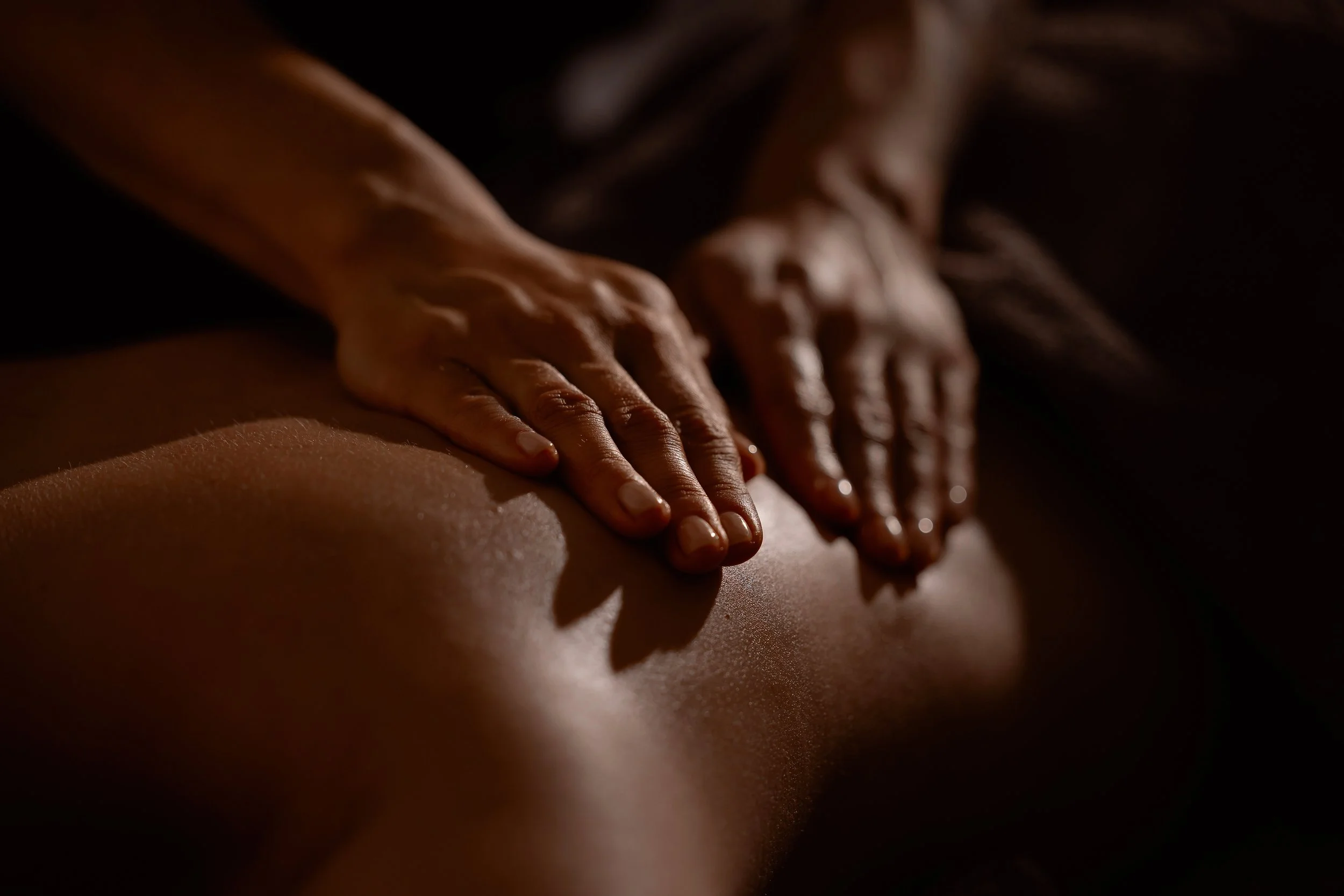
Undergoing surgery is a major physical event, and the period that follows is critical for achieving the best possible results. Whether you have had an orthopedic procedure, a cosmetic enhancement, or a general surgical operation, your body enters a highly active state of healing. One of the most effective, yet sometimes overlooked, tools in a recovery arsenal is massage after surgery, commonly known as post-op massage.
In this comprehensive guide, we will explore why post-op massage is vital, the physiological benefits it offers, when it is safe to begin, and what you can expect during your sessions.
Understanding Post-Op Massage
Massage after surgery is not your typical day-spa Swedish massage. It is a highly specialized modality designed specifically to address the trauma the body has experienced. When tissue is cut or manipulated during surgery, the body’s natural response is inflammation. While inflammation is a necessary part of healing, excessive swelling can lead to increased pain, restricted mobility, and the formation of hard scar tissue. Post-op massage utilizes gentle, targeted techniques to mitigate these issues, guiding the body toward a smoother, faster recovery.
The Science of Surgical Recovery
To understand why post-op massage works, we have to look at how the body heals. When an incision is made, fluid rushes to the area carrying white blood cells and proteins. This fluid buildup is what causes post-surgical swelling (edema). If this fluid sits stagnant for too long, the proteins can harden, leading to fibrosis (thick, hard scar tissue) beneath the skin. Massage helps to physically move this fluid out of the congested area and back into the body's natural waste disposal systems.
Key Benefits of Massage After Surgery
1. Significant Reduction in Swelling and Edema The most immediate benefit of a post-op massage is the reduction of swelling. By using gentle strokes that mimic the natural rhythm of the body’s circulatory and lymphatic systems, a therapist can manually encourage excess fluid to drain away from the surgical site. This not only makes you feel lighter and more comfortable but also reduces the pressure on healing incisions.
2. Prevention of Fibrosis and Scar Tissue Management Fibrosis can cause the skin to feel lumpy, hard, and tight. Post-op massage helps to break up early scar tissue formation, ensuring that as the internal tissues heal, they remain pliable and smooth. For cosmetic surgeries, this is absolutely essential for achieving the desired aesthetic outcome.
3. Pain Relief and Relaxation Surgery takes a toll on the nervous system. The gentle, rhythmic nature of post-op massage calms the sympathetic nervous system (your "fight or flight" response) and engages the parasympathetic nervous system ("rest and digest"). This shift promotes the release of endorphins, your body's natural painkillers, significantly reducing post-surgical discomfort.
4. Improved Circulation Healthy blood flow is crucial for healing. Blood carries oxygen and vital nutrients to the damaged tissues. By stimulating circulation around (but not directly on) the surgical site, post-op massage ensures the area receives the nourishment it needs to repair itself efficiently.
When Should You Start Post-Op Massage?
The timeline for starting massage after surgery depends entirely on the type of procedure you had and your surgeon's specific protocols.
Cosmetic Surgeries (Liposuction, Tummy Tucks): Often, surgeons recommend starting gentle lymphatic massage within 24 to 48 hours after surgery, provided there are no active drains or complications.
Orthopedic Surgeries (Joint Replacements): Massage around the surrounding muscles might begin within a week to relieve compensatory tension, but the incision site will be avoided until fully closed.
General Surgeries: It may take 2 to 6 weeks before your doctor clears you for soft tissue work.
Always consult your surgeon before booking a post-op massage. Medical clearance is a non-negotiable first step.
What to Expect During Your Session
A certified post-op massage therapist will conduct a thorough intake, reviewing your surgical notes and doctor's clearances. The massage itself will likely feel incredibly light. Deep tissue techniques are strictly contraindicated during early recovery. The therapist will focus on areas adjacent to the surgical site to open up drainage pathways before gently working closer to the affected area.
You may be positioned with pillows and bolsters to accommodate your physical limitations, and the therapist will constantly communicate with you to ensure you are experiencing zero pain during the treatment.
Conclusion
Massage after surgery is not a luxury; it is a critical component of medical aftercare. By proactively managing swelling, preventing hard scar tissue, and promoting deep relaxation, post-op massage sets the stage for a seamless, comfortable recovery. If you are scheduling a surgery, take the time to research certified post-op therapists in your area and integrate this powerful healing modality into your recovery plan.