
The Magic of Lymphatic Drainage: Detox, Depuff, and Heal
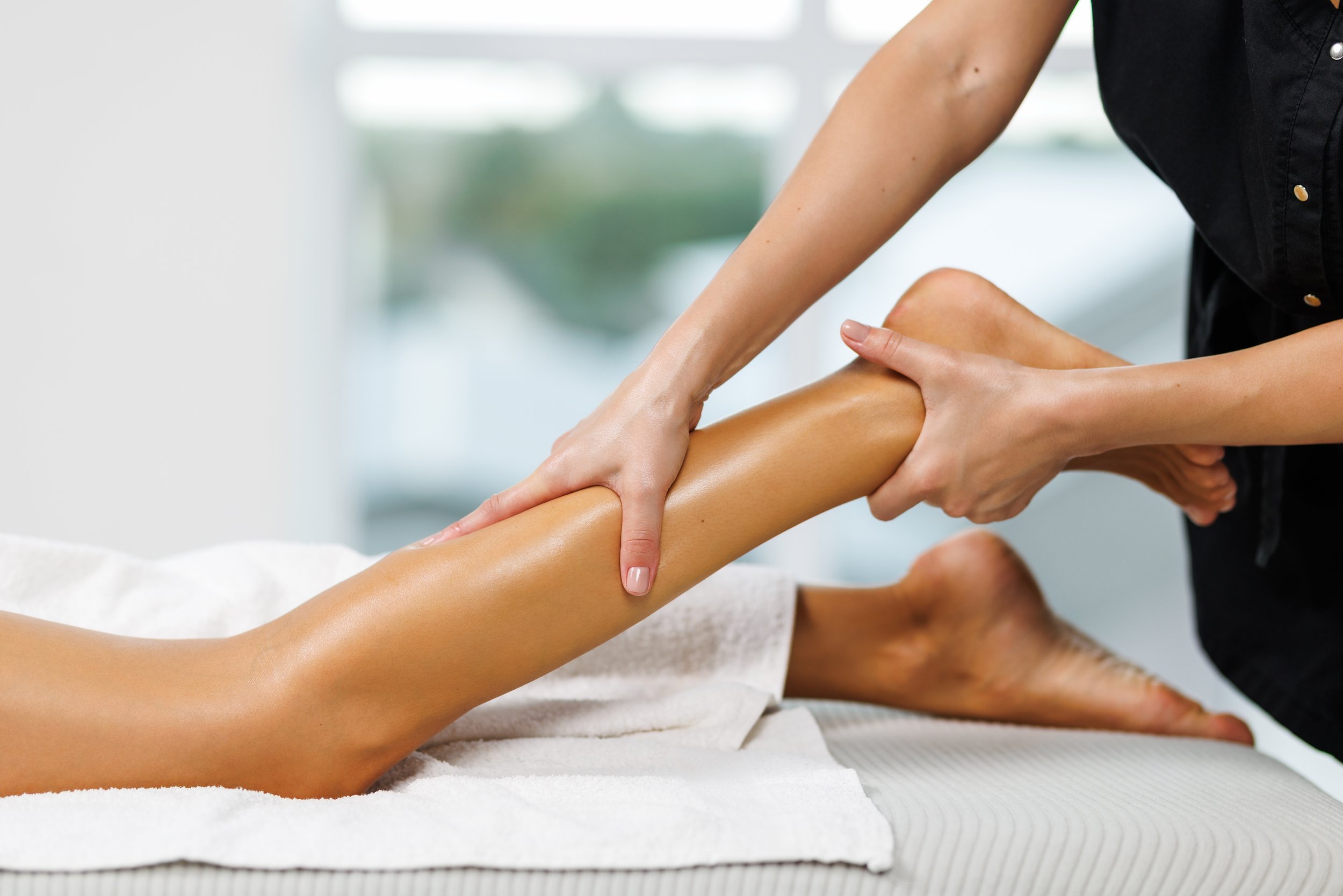
If you have spent any time in wellness circles or researched post-surgical recovery, you have likely encountered the term "lymphatic drainage." Celebrities swear by it for red-carpet prep, doctors prescribe it for post-operative swelling, and wellness enthusiasts use it to boost their immune systems. But what exactly is lymphatic drainage, and how does it manage to offer such a wide array of health benefits?
In this article, we will dive deep into the science of your body's lymphatic system, explore how this specialized massage technique works, and outline exactly who can benefit from it.
Understanding the Lymphatic System
To appreciate lymphatic drainage, you first need to understand the lymphatic system itself. Think of it as your body's internal waste management and security network. It is a complex network of vessels, nodes, and organs (like the spleen and tonsils) that runs parallel to your circulatory system.
Unlike blood, which is pumped by the heart, lymphatic fluid (lymph) does not have a central pump. Instead, it relies on the movement of your muscles and the act of breathing to push the fluid upward against gravity. This fluid carries white blood cells, which fight infection, but it also collects cellular waste, toxins, and excess water from your tissues. When this system becomes sluggish—due to surgery, illness, lack of activity, or poor diet—fluid builds up, leading to swelling, fatigue, and a compromised immune system.
What is Lymphatic Drainage Massage?
Manual Lymphatic Drainage (MLD) is a highly specialized, exceptionally gentle massage technique designed to stimulate the flow of lymph fluid. Developed in the 1930s by Dr. Emil Vodder, MLD does not target the muscles. Instead, it targets the skin and the superficial lymphatic vessels located just millimeters beneath the surface.
Using precise, rhythmic, and light circular strokes, a trained therapist gently stretches the skin in the direction of the lymph nodes. This action creates a pumping effect, encouraging stagnant fluid to enter the lymphatic vessels and move toward the lymph nodes, where it is filtered and eventually eliminated by the body.
The Top Benefits of Lymphatic Drainage
1. Significant Reduction of Edema (Swelling) Whether you are dealing with swollen ankles from pregnancy, puffy eyes from lack of sleep, or severe edema following cosmetic or medical surgery, lymphatic drainage is the gold standard for reducing fluid retention. It manually forces trapped fluid out of the tissues and back into circulation.
2. Accelerated Surgical Recovery After surgeries like liposuction, facelifts, or mastectomies, the lymphatic pathways are disrupted. Lymphatic drainage helps reroute the fluid around the damaged areas, reducing post-operative swelling, minimizing bruising, and preventing the formation of hard scar tissue (fibrosis).
3. Immune System Support Because the lymphatic system is the backbone of your immune system, keeping lymph flowing ensures that white blood cells can travel efficiently throughout the body. Regular MLD can help your body fight off mild infections and speed up recovery from illnesses.
4. Detoxification and Skin Health By removing cellular waste and toxins from the tissues, lymphatic drainage promotes a clearer, more glowing complexion. It is frequently used in high-end facials to treat acne, rosacea, and general skin dullness.
Who Should Get Lymphatic Drainage?
While almost anyone can benefit from a more efficient lymphatic system, MLD is particularly beneficial for:
Individuals recovering from plastic or orthopedic surgery.
People suffering from Lymphedema (often following cancer treatments).
Those dealing with chronic fatigue, fibromyalgia, or autoimmune conditions.
Pregnant women experiencing fluid retention in their legs and feet.
Anyone looking to depuff and contour their body or face before a major event.
What to Expect During a Treatment
If you are used to deep tissue massages that "hurt so good," lymphatic drainage will be a completely different experience. The pressure is incredibly light—comparable to the weight of a dime pressing on your skin. If the therapist presses too hard, they will bypass the superficial lymphatic vessels and hit the muscles, defeating the purpose of the treatment.
The massage usually starts at the neck (where the major lymphatic ducts are located) to clear the pathways, before moving to the torso, and finally the extremities. Patients often find the rhythmic motion so deeply relaxing that they fall asleep. Following a session, it is normal to feel thirsty and need to urinate more frequently, as your body flushes out the excess fluid.
Lymphatic drainage is a powerful, science-backed modality that supports the body's natural ability to heal and detoxify. Whether you are healing from surgery, managing a chronic condition, or simply looking to optimize your wellness routine, MLD offers a gentle yet highly effective solution to keep your body functioning at its absolute best.